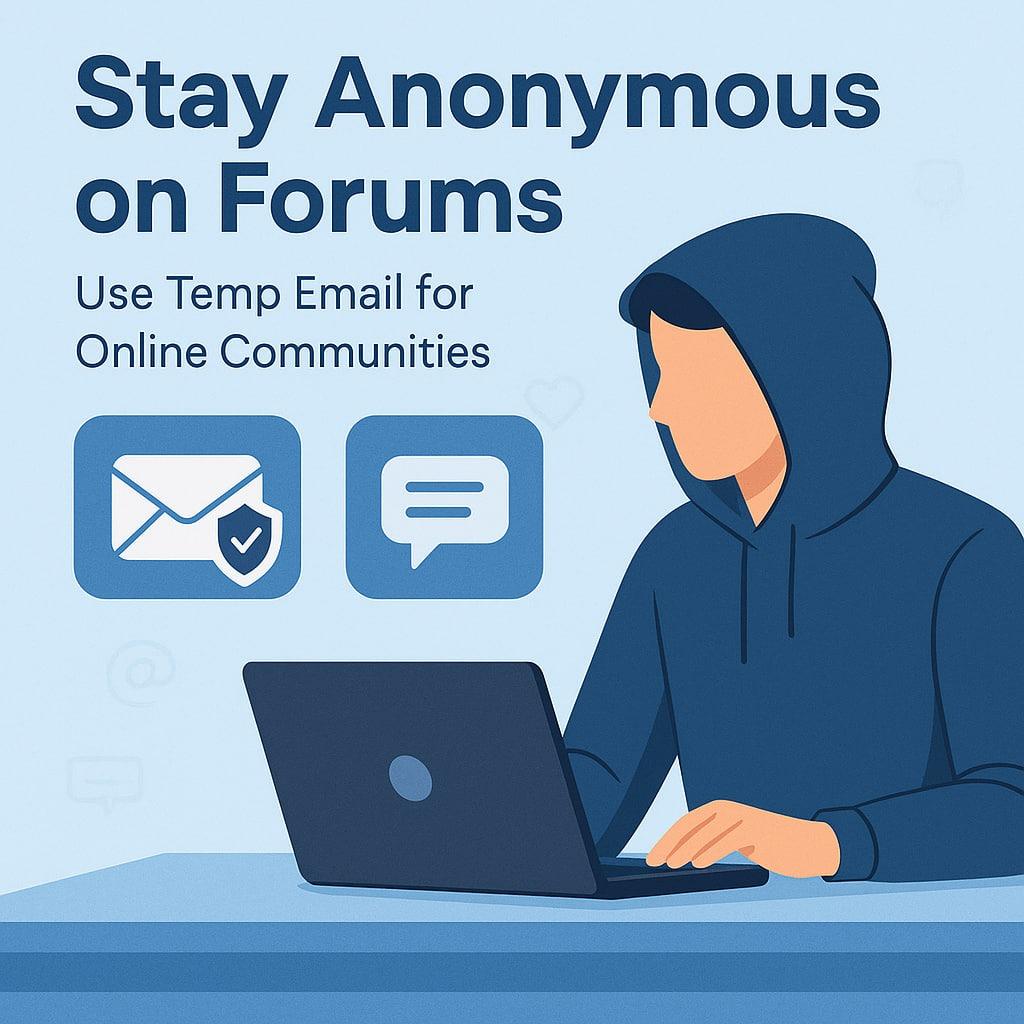
The Ethical Implications of Using Temp Mail Services
If you're tired of receiving endless spam or dealing with privacy concerns, consider using a temporary email service. With this approach, you can create a disposable email address to sign up for services or newsletters without revealing your primary email. This simple step can help you maintain your online privacy effectively Temporary Email. Temporary email services provide quick, hassle-free addresses that expire after a set time or after a certain number of messages. Many options are available, such as Temp Mail, Guerrilla Mail, and 10 Minute Mail. These platforms allow you to receive emails without any registration required, making it a seamless experience. Using a temporary email address can also protect you from phishing attempts. Since the address is short-lived, there’s less risk of attackers targeting you through that email. Always remember to check the service's privacy policy if you're concerned about how your data is handled. Incorporating temporary email addresses into your online activities can enhance your security. By minimizing the exposure of your primary email, you reduce the chances of data breaches and spam. Consider integrating this practice into your online routine for a more secure digital experience. Temporary Email Use temporary email services to protect your primary inbox from spam and unwanted messages. These services provide you with a disposable email address that you can use for short-term registrations or communications. When selecting a temporary email provider, look for easy-to-use interfaces and features like auto-deletion of messages. Services like Temp Mail, 10 Minute Mail, or Guerrilla Mail offer quick sign-up processes and help maintain your privacy. Keep in mind the lifespan of the email address. Some services delete messages after a few minutes, while others may offer longer retention. Choose one that suits your needs based on how long you plan to use the email address. Be cautious with your information. While temporary emails help shield you from spam, avoid using them for sensitive accounts like banking or personal services. Protect your privacy by using these addresses strictly for less secure registrations or one-off communications. Check whether the service allows you to receive email replies. Some temporary emails only let you send messages, which could limit your interactions with certain platforms. In summary, temporary emails are an effective way to manage online interactions while preserving your primary email's inbox. Use them smartly and responsibly, ensuring you still maintain your security and privacy online. How to Choose the Right Temporary Email Service for Your Needs Select a temporary email service that prioritizes user privacy. Look for providers that do not log your IP address or require personal information during registration. Check the email address lifespan. Some services offer temporary emails lasting only a few minutes, while others can last for days or even weeks. Choose based on your requirements. Evaluate the ease of use. A user-friendly interface simplifies the process of creating and managing temporary emails. Test a few services to see which one feels intuitive for you. Consider additional features. Some services provide email forwarding, attachment support, and spam filtering. These features can enhance your experience, especially if you expect a high volume of correspondence. Assess the number of disposable addresses available. Services often limit the number of addresses you can create. If you require many, find a service that offers flexibility in creating multiple addresses. Research the service's reputation. User reviews and ratings can give insights into reliability and functionality. Avoid services with poor reviews related to security issues or downtime. Finally, test customer support. Ensure the service offers assistance if you encounter issues. Fast and reliable support can be a deciding factor in your choice. Best Practices for Using Temporary Emails Safely and Securely Choose a reputable temporary email provider. Look for services with positive reviews and a clear privacy policy. Verify that they do not store your emails longer than necessary or share your information with third parties. Avoid using temporary emails for sensitive accounts like banking or personal identification. These disposable addresses should only be used for less critical registrations or confidential communications. Keep track of your temporary email addresses. Use an organized spreadsheet or note-taking app to note down the email addresses you create and which services they are linked to. This makes it easier to manage your logs. Be cautious with email verification links. Temporary emails often have short lifespans, meaning verification links may expire quickly. Register with services that allow you to extend the life of your temporary address. Check for potential spam traps and blocks on the temporary email domains. Some websites automatically blacklist certain temporary domains. Before registering, ensure the domain is not known for triggering spam filters. Regularly delete unused temporary email addresses. Maintain your security by removing addresses that are no longer in use, which helps prevent unauthorized access and keeps your digital footprint minimal. Consider using a combination of temporary email for one-time sign-ups and your primary email for important communications. This helps maintain clarity without sacrificing your privacy. Stay aware of phishing attempts. Be cautious about clicking on links or providing personal details, even from seemingly legitimate sources that reach out to your temporary email. https://cdn.tempmailo.co/uploads/blog/f3d56f8c96bc576.jpg